
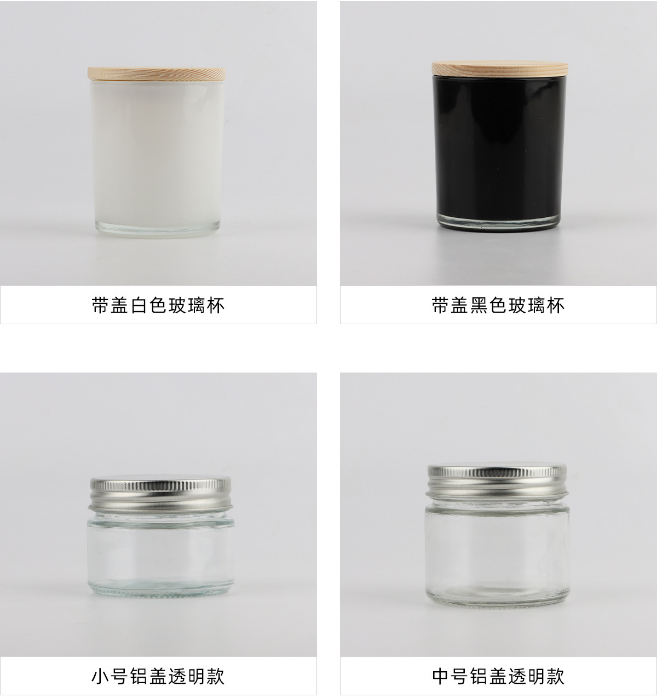
A private-label candle jar project becomes easier to quote and control when the buyer provides one complete specification. Scattered messages, reference photos and changing artwork create avoidable sampling delays. Use a structured document that connects the jar, finish, lid, logo and packaging.
Section 1: jar specification
State the target capacity, fill line, opening diameter, body dimensions, weight and shape. If you are using an existing mold, request its technical drawing. If the jar must fit a filling line, lid applicator or retail insert, include those interface dimensions.
Section 2: glass appearance
Define clear, amber, transparent color, frosted, matte or opaque coating. Provide a physical reference or color standard where possible. Note any areas that must remain clear, such as the base, rim or logo window.
Section 3: branding
Attach vector artwork and identify the method—screen print, decal, foil, label or molded embossing. State the logo size, position, color and registration reference. If the jar has a seam or rib pattern, identify which panel is the front.
Section 4: lid and accessories
List lid material, color, liner, gasket and branding. Include wicks or other candle components only if the supplier is responsible for them. Otherwise make the scope clear so quotations remain comparable.
| Specification section | Essential information |
|---|---|
| Jar | Drawing, capacity, dimensions, weight |
| Finish | Color standard, gloss and clear zones |
| Logo | Vector file, process, size and position |
| Lid | Material, fit, liner and branding |
| Packing | Unit protection, carton and pallet needs |
| Quality | Approved sample, tolerances and inspection plan |
Section 5: retail and export packaging
State whether jars need individual bags, dividers, retail boxes, inserts, labels or barcodes. Give the destination and any carton-marking requirements. Packaging should be tested with the actual decorated jar and lid.
Section 6: commercial information
Provide order quantity by design and color, expected repeat volume, sample requirement, desired delivery window and Incoterm. Ask the supplier to separate mold, sample, decoration, packaging and freight charges instead of presenting one unexplained unit price.
Control revisions
Add a document number and date. When a detail changes, issue a new revision and identify what changed. The purchase order should reference the approved revision and physical sample.
Use our guide on writing an accurate RFQ, review customization routes, or send your project specification.