
A successful project for glass diffuser bottle manufacturer China depends on decisions made before the purchase order: product definition, component compatibility, approval samples, quality limits and export packing.
This guide focuses on how to verify forming, decoration, component matching and export capability. It is written for importers preparing an RFQ, supplier comparison or production approval.
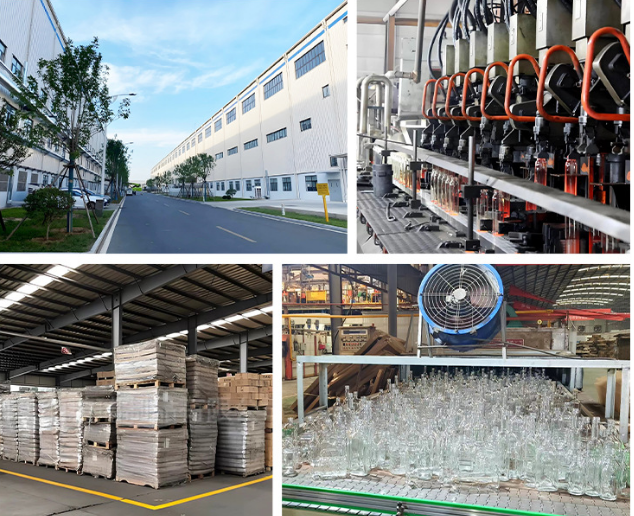
How this topic changes the buying decision
how to verify forming, decoration, component matching and export capability. For a glass reed diffuser bottle project, this point should be converted into a drawing note, an approved sample feature or an inspection rule. If it cannot be checked, two suppliers may interpret the same request differently.
Ask the supplier to show the production step that controls this feature, identify the equipment or subcontractor involved, and explain what happens when a batch falls outside the approved range. That conversation reveals whether the quotation is supported by a repeatable process.
Procurement context
Supplier qualification is a fact-finding exercise. Business licenses and certificates can support the review, but process evidence is more useful for the current order. Ask to see how the relevant item is formed, decorated, measured, protected and traced. Review examples of inspection records and corrective action without requesting another customer’s confidential data. Confirm the factory address, invoicing entity and payment beneficiary. If important work is subcontracted, identify the partner and decide whether approval is required before that source changes.
Build the purchase specification
Translate the design into fields a factory can quote and an inspector can verify. Keep commercial assumptions beside technical requirements.
- Use case
- Empty component or filled set, sales channel and destination market; include the value in both the quotation and approved specification.
- Bottle
- Shape, nominal fill, brimful capacity, weight and dimensions; include the value in both the quotation and approved specification.
- Neck
- Finish dimensions, stopper, plug, collar and reed bundle; include the value in both the quotation and approved specification.
- Formula contact
- Diffuser base or oil used for compatibility and leakage trials; include the value in both the quotation and approved specification.
- Appearance
- Glass color, coating, logo process and acceptable variation; include the value in both the quotation and approved specification.
- Pack-out
- Reeds, cap, insert, retail box, master carton and pallet method; include the value in both the quotation and approved specification.
Sampling and quality plan
Where possible, test samples from the intended production route rather than handmade show samples. Run leakage and compatibility checks with the intended diffuser formula, closure and retail pack.
- Give each sample a version and supplier code.
- Check the sample against the drawing rather than against memory.
- Run product-contact and distribution trials on the final configuration.
- Save one approved unit and one boundary example where useful.
- Require written approval before the supplier changes a component or process.
Three controls that reduce sourcing risk
- Evidence matters more than claims. Request current production photos, process flow, inspection records and a traceable example of a similar order.
- A supplier should be able to explain how it controls incoming components, decoration batches, final inspection and corrective action.
- Confirm the legal company on the quotation, invoice and bank account before paying.
Information to include in the RFQ
- Forecast volume, launch quantity and reorder pattern.
- Technical sketch with controlled interfaces.
- Required assembly state on delivery.
- Color master, print file and defect limits.
- Pack-out diagram and distribution route.
- Schedule from sample to arrival.
- Compliance questions and inspection plan.
Questions for a supplier comparison
- Is the quotation tied to a drawing and bill of materials?
- Does the factory have gauges for the critical dimensions?
- How are incoming caps, pumps, lids or collars inspected?
- What is the corrective-action process for a failed sample or batch?
- Can the factory reproduce the same finish on a repeat order?
Buyer FAQ
Which part of the order normally controls the minimum?
MOQ is usually driven by the bottle finish, collar or cap and printed packaging as well as by the glass.
When is a sample ready to become the production master?
Test with the intended oil or base because formula contact can expose leakage or decoration compatibility problems.
What belongs in a complete supplier offer?
Specify the bottle, neck, plug, collar, reeds, box and export pack in one bill of materials.
Next step
The lowest-risk route is to compare complete, equivalent offers and approve a production-representative sample. See our customization capabilities and contact Jingqiao Glass with your target format, quantity and market.