
A successful project for Pantone color matching glass candle jars depends on decisions made before the purchase order: product definition, component compatibility, approval samples, quality limits and export packing.
This guide focuses on how substrate, translucency and lighting affect perceived color. It is written for creative directors preparing an RFQ, supplier comparison or production approval.
Convert the idea into measurable requirements
- Use case
- Wax type, wick plan, target burn profile and selling channel; include the value in both the quotation and approved specification.
- Glass
- Shape, nominal capacity, brimful capacity, weight and key dimensions; include the value in both the quotation and approved specification.
- Opening
- Inner and outer diameter, roundness and closure interface; include the value in both the quotation and approved specification.
- Appearance
- Glass color, surface finish, logo process and inspection standard; include the value in both the quotation and approved specification.
- Components
- Lid material, gasket, fit, finish and packed configuration; include the value in both the quotation and approved specification.
- Validation
- Approval sample, burn test responsibility and packaging test plan; include the value in both the quotation and approved specification.
Procurement context
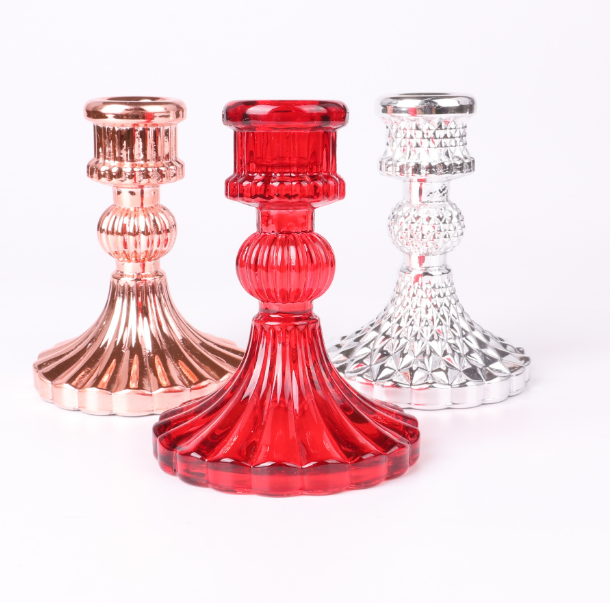
Decorative finishes need physical standards because photographs and monitor colors are unreliable. Define viewing conditions and identify which zones are most visible after filling and packing. Edge coverage, masking, gloss and density can vary even when the central color appears correct. The approval should also consider fingerprints, abrasion and contact with inserts or neighboring units. Protective materials must be clean and compatible with the finish; otherwise an acceptable decorated batch can be damaged during packing or transport.
Risk review
- Approve a physical color or finish master under agreed lighting instead of relying on screen images.
- Define acceptable variation for gloss, density, edge coverage, masking and small surface marks.
- Specify protective wrapping because many premium finishes are damaged after production rather than during application.
How this topic changes the buying decision
how substrate, translucency and lighting affect perceived color. For a glass candle jar or holder project, this point should be converted into a drawing note, an approved sample feature or an inspection rule. If it cannot be checked, two suppliers may interpret the same request differently.
Ask the supplier to show the production step that controls this feature, identify the equipment or subcontractor involved, and explain what happens when a batch falls outside the approved range. That conversation reveals whether the quotation is supported by a repeatable process.
Sampling and quality plan
Treat the sample as a controlled version of the final package, not as a free visual reference. The candle manufacturer remains responsible for wick, wax and burn validation in the selected vessel.
- Give each sample a version and supplier code.
- Check the sample against the drawing rather than against memory.
- Run product-contact and distribution trials on the final configuration.
- Save one approved unit and one boundary example where useful.
- Require written approval before the supplier changes a component or process.
Questions for a supplier comparison
- Can the supplier identify the mould and component codes?
- Are decoration and packing performed in-house or by approved partners?
- Will the supplier keep retained samples and batch records?
- Can it provide dimensions, carton data and an inspection report before shipment?
- Who approves changes to materials, processes or subcontractors?
Information to include in the RFQ
- Forecast volume, launch quantity and reorder pattern.
- Technical sketch with controlled interfaces.
- Required assembly state on delivery.
- Color master, print file and defect limits.
- Pack-out diagram and distribution route.
- Schedule from sample to arrival.
- Compliance questions and inspection plan.
Buyer FAQ
Which part of the order normally controls the minimum?
MOQ depends on whether the buyer selects stock glass, custom decoration, special lids or a new mould. Request the minimum for every SKU and process.
When is a sample ready to become the production master?
Approve the complete jar-and-lid set and run the candle maker’s own burn program before commercial filling.
What belongs in a complete supplier offer?
A useful quote includes glass, finish, logo, closure, packing, quantity by SKU and the named trade term.
Next step
A strong supplier discussion begins with a clear specification and ends with evidence that the approved standard can be repeated. Use this guide to prepare your enquiry, then send drawings, quantities and destination details through our request-a-quote page.