
For technical buyers, the search glass candle jar wall thickness tolerance normally signals an active sourcing project. The buyer needs to convert the visual idea into measurable requirements before price comparisons become meaningful.
This guide focuses on how uneven distribution affects appearance, filling and heat performance. It is written for technical buyers preparing an RFQ, supplier comparison or production approval.
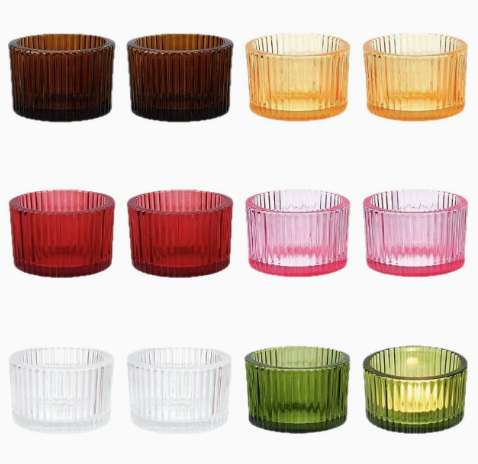
Start with a complete specification
Before discussing unit price, define what the supplier must deliver. A complete specification prevents offers with different glass, components, decoration or packing from being treated as equal.
Use case
Wax type, wick plan, target burn profile and selling channel. Ask the bidder to state any assumption or limitation against this line.
Glass
Shape, nominal capacity, brimful capacity, weight and key dimensions. Ask the bidder to state any assumption or limitation against this line.
Opening
Inner and outer diameter, roundness and closure interface. Ask the bidder to state any assumption or limitation against this line.
Appearance
Glass color, surface finish, logo process and inspection standard. Ask the bidder to state any assumption or limitation against this line.
Components
Lid material, gasket, fit, finish and packed configuration. Ask the bidder to state any assumption or limitation against this line.
Validation
Approval sample, burn test responsibility and packaging test plan. Ask the bidder to state any assumption or limitation against this line.
How this topic changes the buying decision
how uneven distribution affects appearance, filling and heat performance. For a glass candle jar or holder project, this point should be converted into a drawing note, an approved sample feature or an inspection rule. If it cannot be checked, two suppliers may interpret the same request differently.
Ask the supplier to show the production step that controls this feature, identify the equipment or subcontractor involved, and explain what happens when a batch falls outside the approved range. That conversation reveals whether the quotation is supported by a repeatable process.
What experienced buyers document
Quality planning begins by deciding what matters to safety, function and customer perception. A critical defect should not be averaged together with a small cosmetic mark. Create illustrated limits for subjective issues and measurable tolerances for functional interfaces. Sampling level and acceptance numbers should reflect lot size and risk, while critical checks may need a different approach. The inspection report should connect every failure to a purchase specification, making acceptance decisions consistent across inspectors and shipments.
Commercial and technical controls
- Separate critical, major and minor defects according to safety, function and appearance.
- Define viewing distance, lighting and inspection time for cosmetic judgments.
- Measure the dimensions that affect filling, closure fit, labeling and packing rather than collecting data with no decision rule.
Questions for a supplier comparison
- Can the supplier identify the mould and component codes?
- Are decoration and packing performed in-house or by approved partners?
- Will the supplier keep retained samples and batch records?
- Can it provide dimensions, carton data and an inspection report before shipment?
- Who approves changes to materials, processes or subcontractors?
Sampling and quality plan
Treat the sample as a controlled version of the final package, not as a free visual reference. The candle manufacturer remains responsible for wick, wax and burn validation in the selected vessel.
- Measure capacity, mass and the dimensions that affect downstream parts.
- Photograph the sample in controlled light and identify acceptable visual limits.
- Assemble every mating part and test the packed unit.
- Close deviations in writing before signing the reference.
- Carry the approved criteria into the shipment inspection.
Information to include in the RFQ
- Product application and intended sales channel.
- Glass shape, mass, size and finish.
- Every mating part supplied with the glass.
- Artwork position, colors and durability need.
- Individual protection, retail presentation and master case.
- Required Incoterm and receiving country.
- Sample stages and approval authority.
Buyer FAQ
Why can the MOQ be different from the glass MOQ?
MOQ depends on whether the buyer selects stock glass, custom decoration, special lids or a new mould. Request the minimum for every SKU and process.
Should buyers test a complete assembled sample?
Approve the complete jar-and-lid set and run the candle maker’s own burn program before commercial filling.
How can buyers avoid misleading price comparisons?
A useful quote includes glass, finish, logo, closure, packing, quantity by SKU and the named trade term.
Next step
The lowest-risk route is to compare complete, equivalent offers and approve a production-representative sample. See our customization capabilities and contact Jingqiao Glass with your target format, quantity and market.