
Procurement teams searching for taper candle holders glass bulk acceptance criteria usually have an active sourcing decision, not a general research question. They need a supplier offer that can be converted into a purchase specification, an approval sample and an inspection process plan.
This guide is written for event wholesalers, hospitality procurement teams and home-decor importers. It examines how to translate visual expectations into measurable pass and fail rules for a glass candle holder project. The discussion uses the original buying concern—specification-led product purchasing—as the commercial context.
Define the supplied package before price comparison
A useful specification describes the delivered outcome. It does not rely on a product name alone. The fields below should appear in the RFQ, supplier priced proposal and approved factory output file.
| Control field | What the procurement team should define |
|---|---|
| Use case | Tealight, votive, taper, wedding, restaurant or decorative application. |
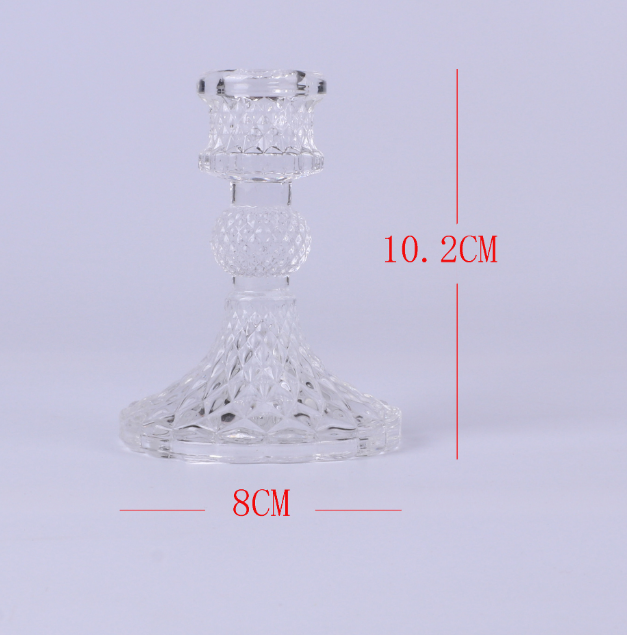
| Glass definition | Shape, opening, height, base width, mass and stability purchase specifications. |
| Candle interface | Candle size, fit, flame clearance and heat exposure conditions. |
| Appearance | Glass color, finish, texture, metallic effect and approved viewing standard. |
| Safety review | Edge condition, base stability, heat resistance and intended-use testing. |
| Packing | Surface protection, divider design, carton count and pallet pattern. |
| Inspection | Defect classes, measurements, sampling and shipment-release evidence. |
Turn preferences into pass/fail language
Start with the feature the customer will notice, then identify how factory output and inspection process can verify it. Numeric tolerances suit dimensions and capacity. Approved masters, boundary samples and controlled lighting suit color, gloss and visible quality issues. State the inspection process distance, rotation and viewing time when appearance matters.
Separate critical, major and minor defects according to use and commercial impact. A sharp edge, unstable base or failed seal does not belong in the same class as a small cosmetic mark. The buying contract should identify who may approve a deviation and whether approval applies to one batch or future orders.
Apply the control to this buying situation
For taper candle holders glass bulk, the original buyer concern is specification-led product purchasing. Convert that concern into one drawing note, one supplier-evidence request and one inspection process checkpoint. This creates a traceable link between search intent and the purchase decision.
Consider a design refresh that must remain compatible with existing filling, closures or cartons. In that situation, the procurement team should identify the most expensive failure, the latest safe approval date and the evidence needed before releasing factory output. Those three decisions determine which specifications deserve the tightest control.
Evidence to request from shortlisted factory output partners
A supplier should be able to connect its priced proposal to a repeatable factory output and quality system. Ask for evidence that applies to the offered construction rather than unrelated certificates or promotional photographs.
- A written change-control rule covering moulds, materials, subcontractors and assembled parts.
- A controlled drawing with revision number and the dimensions used in factory output.
- A bill of materials naming every supplied glass, closure, accessory and shipment packing item.
- A representative approval sample produced through the intended manufacturing route.
- Process records showing how color, decoration, dimensions and assembly are controlled.
- A defect standard with photographs or boundary samples for subjective appearance issues.
When information is confidential, the factory output partner can still show document structure, revision control and representative records during a live review. The objective is to verify capability without requesting proprietary customer data.
What this exact keyword changes in the specification
taper candle holders glass bulk contains clues about the product, buying route or commercial constraint. Those clues should become written RFQ fields rather than remain search-language only.
Wholesale and bulk orders need quantity breaks linked to real factory output assumptions. Confirm units per SKU, color and artwork; stock availability; carton configuration; replenishment lead time; and how mixed orders affect minimums. Compare landed cost and damage exposure, not only the ex-factory unit price.
Apply these points to a premium range where glass weight, finish and closure details support the price position. Ask each bidder to state its assumed construction, identify every exception and attach evidence that can be checked during sampling or pre-shipment inspection process. That approach preserves the keyword\’s purchasing intent without repeating it unnaturally throughout the article.
Four questions to settle before requesting the final quote
- What quantity is required for each size, color and artwork?
- Which assembled parts and shipment packing are included in the unit price?
- What stock, factory output and replenishment lead times apply?
- Which Incoterm, inspection process scope and damage allowance are assumed?
Record the answers beside the priced proposal instead of in a separate email chain. They should follow the project into sampling, purchase-order review and shipment inspection process.
Normalize the commercial comparison
Two offers are comparable only when they include the same scope. Create a line-by-line comparison covering glass, decoration, closures, accessories, unit protection, cartons, pallets, testing, inspection process and the named Incoterm. Separate one-time tooling or artwork charges from recurring unit costs.
Request quantity breaks by actual SKU, not only total order volume. Color changes, artwork versions and assembled parts may each carry a different minimum. Note whether the quoted lead time begins at deposit, artwork approval, sample approval or material receipt.
For cash-flow planning, connect payment milestones to visible evidence such as approved samples, completed factory output, passed inspection process and shipment documents. Commercial terms should support the real factory output sequence.
Connect product approval to shipment packing and logistics
Glass quality can be acceptable at the factory and still fail during distribution. Define contact points, dividers, bags or sleeves, carton strength, gross weight, sealing method and pallet layout. Decorated surfaces need protection from abrasion as well as impact.
Use the intended sales channel to select tests. Container freight, regional pallet distribution and parcel delivery create different hazards. A test plan should state the packed configuration, conditioning, test sequence and pass criteria. Photographs and carton identification make results traceable.
Before shipment, compare the approved pack-out with packed factory output. Small changes in component orientation or carton count can affect pressure, movement and breakage.
Next step
Turn this guide into a project-specific checklist and send the same controlled file to every shortlisted supplier. Jingqiao Glass can review your drawing, component list, decoration target and shipment packing route before preparing a priced proposal or sample plan.