
Importers searching for glass candle holders wholesale buyer decision matrix usually have an active sourcing decision, not a general research question. They need a supplier offer that can be converted into a purchase specification, an approval sample and an inspection review plan.
This guide is written for event wholesalers, hospitality procurement teams and home-decor importers. It examines how to balance quality evidence, contract conditions, lead time and service capability for a glass candle holder project. The discussion uses the original buying concern—direct supplier sourcing—as the commercial context.
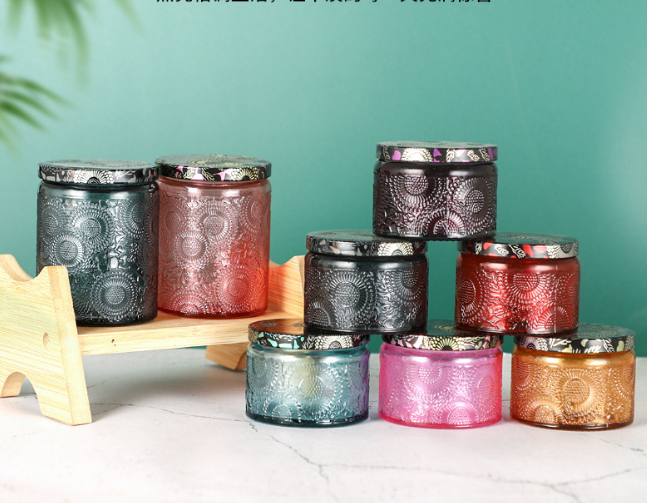
Define the supplied package before price comparison
A useful specification describes the delivered outcome. It does not rely on a product name alone. The fields below should appear in the RFQ, supplier priced proposal and approved production file.
| Control field | What the purchaser should define |
|---|---|
| Use case | Tealight, votive, taper, wedding, restaurant or decorative application. |
| Glass definition | Shape, opening, height, base width, mass and stability requirements. |
| Candle interface | Candle size, fit, flame clearance and heat exposure conditions. |
| Appearance | Glass color, finish, texture, metallic effect and approved viewing standard. |
| Safety review | Edge condition, base stability, heat resistance and intended-use testing. |
| Packing | Surface protection, divider design, carton count and pallet pattern. |
| Inspection | Defect classes, measurements, sampling and shipment-release evidence. |
What this exact keyword changes in the specification
glass candle holders wholesale contains clues about the product, buying route or commercial constraint. Those clues should become written RFQ fields rather than remain search-language only.
Wholesale and bulk orders need quantity breaks linked to real production assumptions. Confirm units per SKU, color and artwork; stock availability; carton configuration; replenishment lead time; and how mixed orders affect minimums. Compare landed cost and damage exposure, not only the ex-factory unit price.
Apply these points to a design refresh that must remain compatible with existing filling, closures or cartons. Ask each bidder to state its assumed construction, identify every exception and attach evidence that can be checked during sampling or pre-shipment inspection review. That approach preserves the keyword\’s purchasing intent without repeating it unnaturally throughout the article.
Four questions to settle before requesting the final quote
- What quantity is required for each size, color and artwork?
- Which mating parts and protective packaging are included in the unit price?
- What stock, production and replenishment lead times apply?
- Which Incoterm, inspection review scope and damage allowance are assumed?
Record the answers beside the priced proposal instead of in a separate email chain. They should follow the project into sampling, purchase-order review and shipment inspection review.
Score evidence as well as price
Use weighted criteria that reflect the project: technical fit, sample quality, process control, component integration, lead time, communication, protective packaging and contract conditions. Define the evidence needed for each score before evaluating production partners.
A decision matrix supports judgment rather than replacing it. Record risks, open points and mitigation beside the score. Revisit the matrix after sampling because demonstrated performance may differ from the initial priced proposal or presentation.
Apply the control to this buying situation
For glass candle holders wholesale, the original buyer concern is direct supplier sourcing. Convert that concern into one drawing note, one supplier-evidence request and one inspection review checkpoint. This creates a traceable link between search intent and the purchase decision.
Consider a first private-label launch with uncertain demand and a narrow opening assortment. In that situation, the purchaser should identify the most expensive failure, the latest safe approval date and the evidence needed before releasing production. Those three decisions determine which specifications deserve the tightest control.
Where sourcing projects lose control
The most expensive problems usually begin with an undefined interface or an assumption that never reached the purchase file. Review the following risks before asking for a final priced proposal.
- Metallic, mosaic or colored finishes are approved without a viewing standard or abrasion limit.
- Sharp edges, mould seams or rocking bases are treated as cosmetic issues instead of functional defects.
- Inner protective packaging prevents breakage but allows decorated surfaces to rub during export handling.
- The holder is selected by appearance without checking the candle diameter, flame clearance or heat exposure.
- A narrow or uneven base creates stability problems on restaurant tables, event décor or retail displays.
Evidence to request from shortlisted production partners
A supplier should be able to connect its priced proposal to a repeatable production and quality system. Ask for evidence that applies to the offered construction rather than unrelated certificates or promotional photographs.
- Process records showing how color, decoration, dimensions and assembly are controlled.
- A defect standard with photographs or boundary samples for subjective appearance issues.
- An inspection review report tied to the purchase order, batch and kept approval units.
- A protective packaging specification with unit protection, carton data and pallet configuration.
- A written change-control rule covering moulds, materials, subcontractors and mating parts.
- A controlled drawing with revision number and the dimensions used in production.
When information is confidential, the manufacturer can still show document structure, revision control and representative records during a live review. The objective is to verify capability without requesting proprietary customer data.
Build an approval sample that production can follow
- Issue a numbered specification before sampling. Mark every unknown as an open point instead of leaving a blank assumption.
- Ask the manufacturer to identify which sample features are production representative and which are handmade for presentation.
- Measure functional dimensions, assemble mating parts and photograph subjective appearance under controlled light.
- Record deviations, revised samples and final approval in one change log.
- Retain signed samples on both buyer and supplier sides and carry the approved criteria into the inspection review plan.
Test the holder with the intended tealight, votive or taper candle on representative surfaces. Review stability, flame clearance, heat exposure, edge condition and cleaning before commercial approval.
Next step
Turn this guide into a project-specific checklist and send the same controlled file to every shortlisted supplier. Jingqiao Glass can review your drawing, component list, decoration target and protective packaging route before preparing a priced proposal or sample plan.