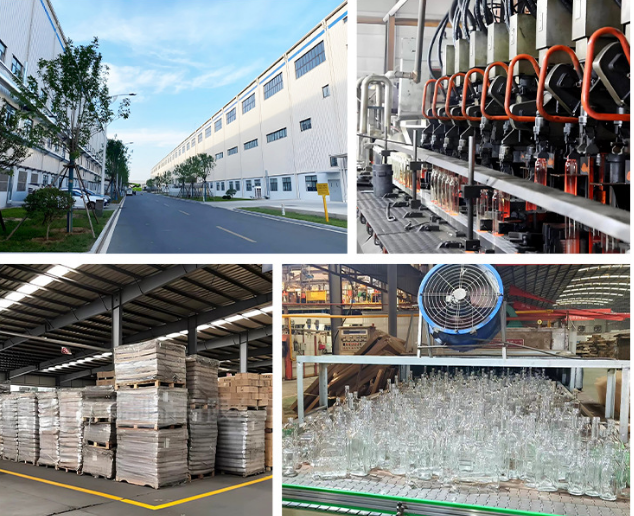
Glass Juice Bottle Low MOQ Sourcing is not only a search phrase. It describes a buying decision involving the container, mating parts, decoration, inspection method, shipment packing and delivery route. For juice brands, beverage startups, cafes and contract bottlers, the actionable question is whether a vendor can repeatedly deliver the approved package—not merely whether a catalogue picture looks suitable.
This guide explains how to use stock tooling and controlled decoration to reduce development risk. It is written for B2B sourcing teams purchasing glass juice bottle for cold-pressed juice, smoothies, milk, kombucha and functional drinks. Use it to prepare a comparable RFQ, govern reference units and reduce surprises between approval and bulk shipment.
Design a low-MOQ launch for glass juice bottle
Low volume works best when the project minimizes unique production steps. Select an existing bottle or jar, standardize the closure, use decoration with a manageable setup and postpone printed cartons until demand is proven. Keep the specification suitable for scaling so the first purchase batch does not become a dead end.
- Prioritize stock tooling in the project file.
- Use standard accessories in the project file.
- Plan the scale-up trigger in the project file.
Apply this approach to volume, opening, cap system, bottle profile, label panel and case count. The decision should remain traceable from the original brief through commercial proposal, sample approval, bulk inspection and delivery.
Build a usable inspection checklist
differentiate safety and function from appearance. Critical issues can include a sharp edge, unstable base, failed seal, severe crack or other condition that makes the glass package unsafe or unusable. Major defects affect filling, assembly, retail presentation or customer acceptance. Minor defects are small cosmetic variations that do not impair use.
For this glass package, include filling-temperature compatibility, seal, impact and cold-chain handling. specify the equipment, conditioning time and pass/fail criteria. Visual standards should specify viewing distance, lighting, rotation and inspection time. Color and gloss are best controlled with an approved master and a defined tolerance method rather than an adjective such as “premium.”
An AQL sampling plan does not improve production by itself; it determines how a lot is evaluated. Choose inspection levels and limits according to risk, customer expectations and previous in-use behavior. The pre-shipment report should pinpoint the purchase purchase batch, batch, sample size, observed defects, measurements, evaluations and release-ready disposition.
Engineer shipment packing around the distribution route
Glass packaging can pass factory inspection and still fail in transport. Tell the vendor whether cartons will move as loose cases, palletized cargo, full-container load, less-than-container load, parcel shipment or retail-ready packs. The handling chain determines divider strength, surface protection, void govern and pallet rules.
assess unit orientation, contact points and the way accessories are isolated from decorated glass. confirm carton measurements, gross weight, board specification, internal dividers, sealing method, pallet footprint, stack height and container loading pattern. For premium finishes, rubbing damage may be more likely than breakage and needs sleeves, bags or non-abrasive separators.
Validate the release-ready pack—not a convenient substitute—with agreed drop, vibration, compression or pilot-shipment checks. Photograph the approved shipment packing sequence and include it in the purchase batch file. shipment packing changes should call for approval because a small material reduction can alter transit in-use behavior.
Next step for your sourcing project
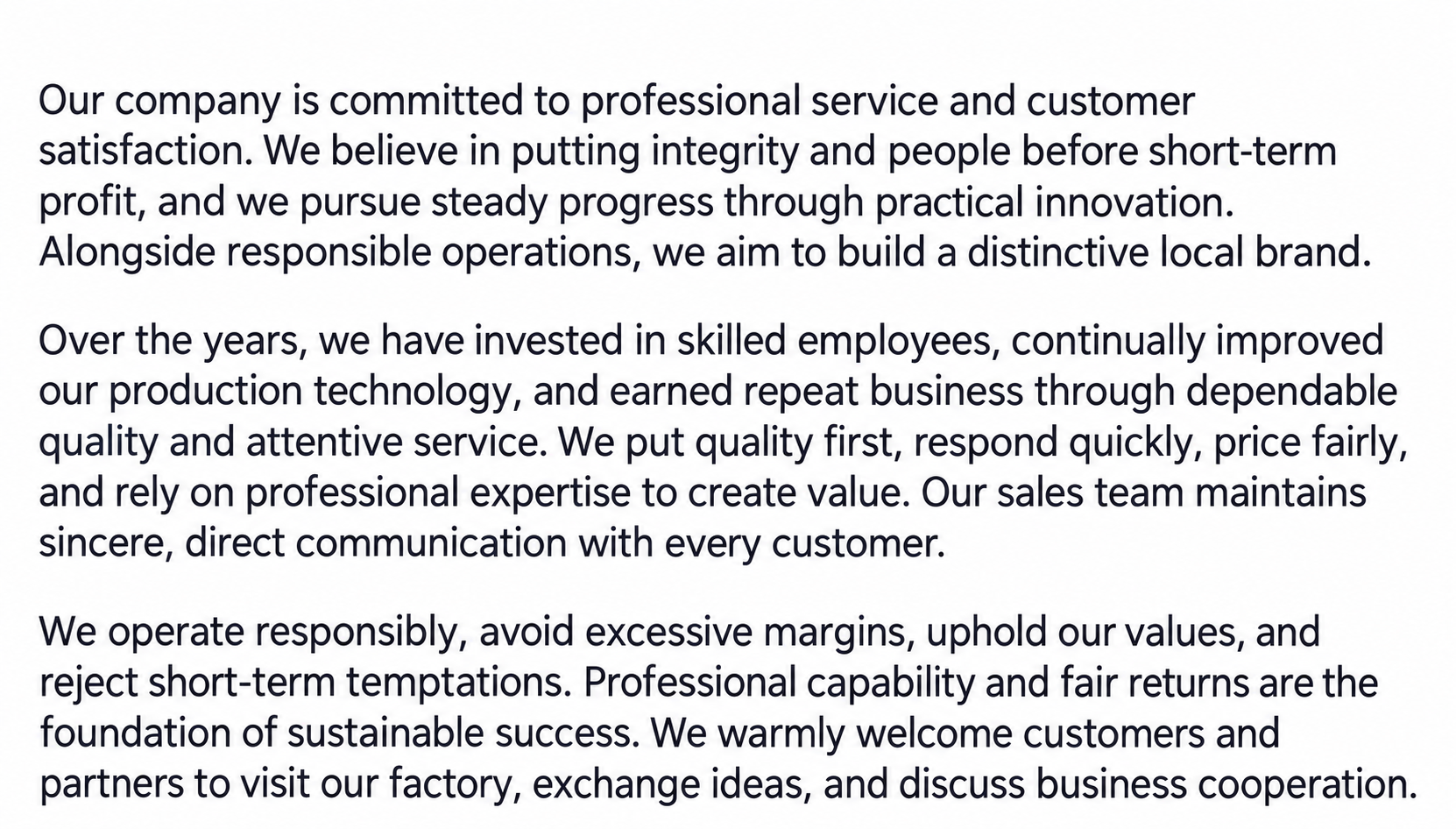
Convert this guide into a project-specific specification and send the same controlled file to each shortlisted vendor. Jingqiao Glass can assess the glass juice bottle measurements, accessories, decoration target, product quality checks and export shipment packing before preparing a commercial proposal or sample plan. The goal is a repeatable delivered package that works in filling, transport and customer use.