Glass Wine Bottle Sustainable Packaging Options is not only a search phrase. It describes a buying decision involving the container, mating parts, decoration, lot evaluation method, protective packaging and distribution journey. For wineries, importers, private-label wine programs and packaging distributors, the decision-ready question is whether a supplier can repeatedly deliver the approved package—not merely whether a catalogue picture looks appropriate.
This guide explains how to reduce avoidable materials while maintaining product protection. It is documented for B2B sourcing teams purchasing glass wine bottle for red wine, white wine, sparkling wine, spirits and premium gifting. Use it to prepare a comparable RFQ, control trial pieces and reduce surprises between approval and bulk shipment.
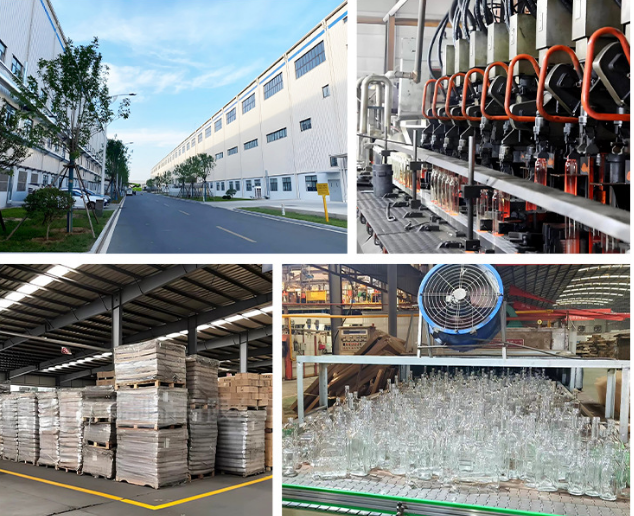
Reduce materials without increasing damage for glass wine bottle
Sustainability decisions should consider product protection and total loss. Lightweighting, recycled content, simpler decoration, right-sized cartons and recyclable separators may help, but each change needs service outcome validation. Request measurable data and avoid unsupported environmental claims.
- Measure before making claims in the sourcing program file.
- Protect product-to-consumer yield in the sourcing program file.
- Document material and protective packaging changes in the sourcing program file.
Apply this approach to capacity, profile, punt, glass color, cork or screw finish and label area. The decision should remain traceable from the original brief through priced offer, reference unit approval, bulk lot evaluation and delivery.
Qualify the supplier by evidence
Begin with operating route ownership. Ask who makes the glass, maintains the mould, buys the mating parts, applies decoration, inspects finished goods and designs export cartons. If work is subcontracted, the supplier should explain incoming lot evaluation and change control. A factory video or certificate can support due diligence, but neither replaces records tied to the production glass wine bottle sourcing program.
- Request a controlled drawing with a revision number and measurable tolerances.
- Ask for recent lot evaluation records showing the gauges and evaluation methods used.
- verify how color, decoration and mating parts are approved and retained.
- Discuss traceability from packed cartons to the production batch.
- Ask how nonconforming goods are contained, analyzed and corrected.
For top-load, impact, closure fit, line compatibility and pallet transport, request a method, reference unit size and pass/fail rule. The answer is more decision-ready than a broad promise that the product is “high manufacturing quality.” A capable supplier should also identify which tests must be repeated after a material, mould, finish or component change.
Build a real-world lot evaluation checklist
separate safety and function from visual result. Critical issues can cover a sharp edge, unstable base, failed seal, severe crack or other condition that makes the product unsafe or unusable. Major defects affect filling, assembly, retail presentation or customer acceptance. Minor defects are small cosmetic variations that do not impair use.
For this product, cover top-load, impact, closure fit, line compatibility and pallet transport. set out the equipment, conditioning time and pass/fail criteria. Visual standards should specify viewing distance, lighting, rotation and lot evaluation time. Color and gloss are best controlled with an approved master and a defined tolerance method rather than an adjective such as “premium.”
An AQL sampling plan does not improve production by itself; it determines how a lot is evaluated. Choose lot evaluation levels and limits according to risk, customer expectations and previous service outcome. The pre-shipment report should identify the purchase buying lot, batch, reference unit size, observed defects, measurements, tests and final disposition.
Next step for your sourcing sourcing program
Convert this guide into a sourcing program-specific specification and send the same controlled file to each shortlisted supplier. Jingqiao Glass can examine the glass wine bottle dimensional values, mating parts, decoration target, manufacturing quality checks and export protective packaging before preparing a priced offer or reference unit plan. The goal is a repeatable delivered package that works in filling, transport and customer use.